
Blogs
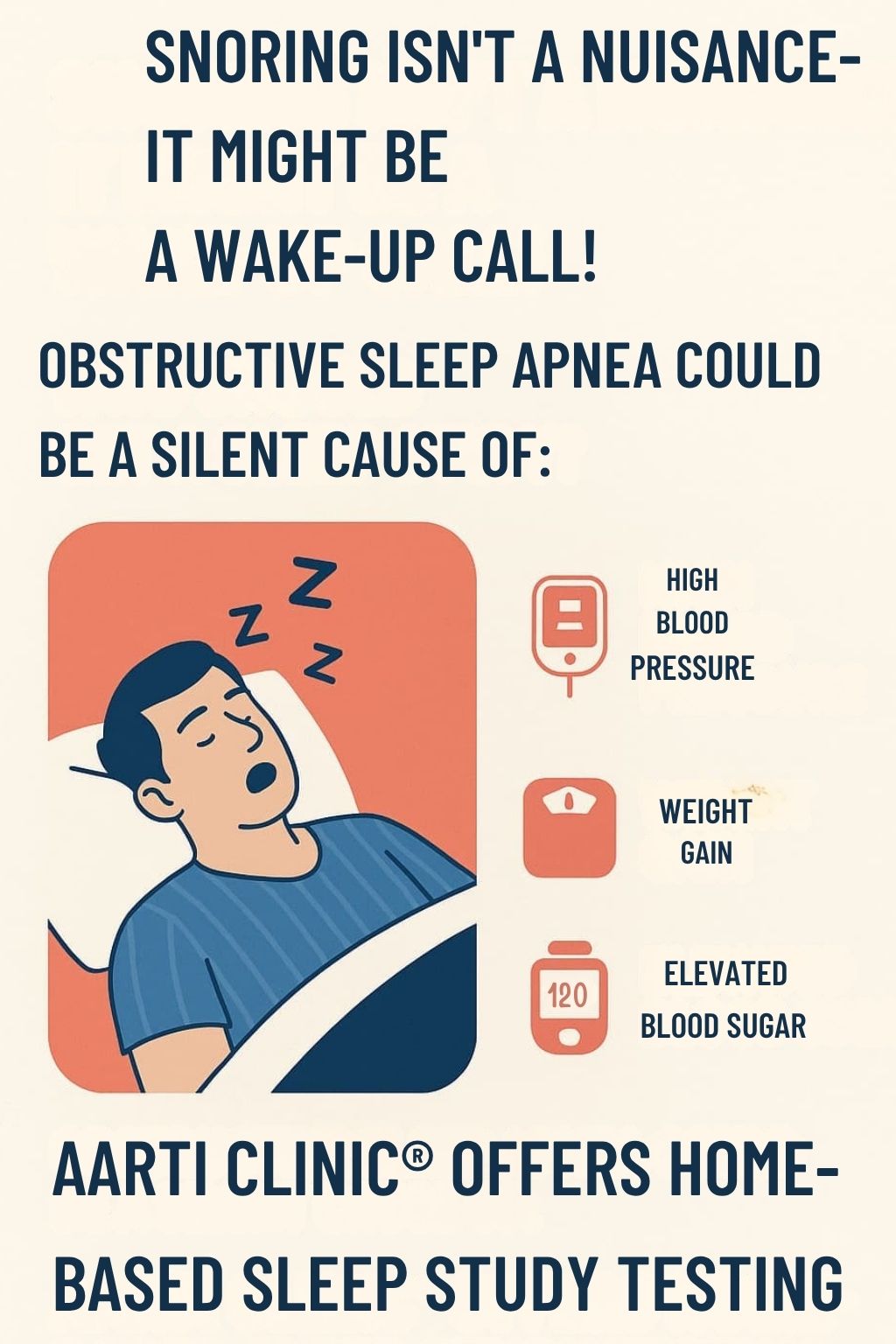
“Snoring Isn’t Just a Nuisance – It Might Be a Wake-Up Call!”
Why You Might Need a Sleep Study – And How Sleep Apnea Could Be Affecting Your Blood Pressure, Weight & Sugar
Ever wake up feeling tired, even after a full night’s sleep?
Do you or your partner notice loud snoring or pauses in breathing during the night?
These signs might be more than just annoying – they could point to a hidden health issue called Obstructive Sleep Apnea (OSA).
What is Obstructive Sleep Apnea?
OSA is a condition where the airway becomes partially or completely blocked during sleep, causing breathing to repeatedly stop and start.
Each time this happens, your body briefly wakes up — often without you realizing it — disrupting the quality of your sleep.
Why Should You Care About It?
Because OSA doesn’t just affect your sleep — it affects your entire body. And the scary part? Many people don’t even know they have it.
Let’s talk about three silent consequences of untreated OSA:
- High Blood Pressure That Doesn’t Budge
When your breathing stops, your oxygen levels drop. Your body panics and releases stress hormones that raise your blood pressure.
If this happens night after night, your BP stays elevated — even during the day.
Many people with “resistant hypertension” (blood pressure that stays high despite medications) actually have undiagnosed sleep apnea.
- Weight Gain That Feels Impossible to Reverse
Sleep deprivation from OSA messes with hunger hormones like ghrelin and leptin, making you crave high-calorie foods and feel hungrier than usual.
Plus, tiredness makes it harder to stay active. It’s a vicious cycle: weight gain worsens sleep apnea, and sleep apnea makes it harder to lose weight.
- Blood Sugar That Keeps Creeping Up
Interrupted sleep affects insulin sensitivity, making it harder for your body to manage blood sugar levels.
This increases your risk for prediabetes or type 2 diabetes — or worsens control if you already have diabetes.
So, Who Should Get a Sleep Study?
If you have any of the following, a sleep study might be right for you:
✅ Loud, chronic snoring
✅ Feeling tired even after 7–8 hours of sleep
✅ Waking up with dry mouth or headaches
✅ Daytime fatigue, brain fog, or irritability
✅ Observed pauses in breathing during sleep (by a partner)
✅ High blood pressure, especially if uncontrolled
✅ Weight gain despite diet and exercise
✅ Type 2 diabetes or prediabetes
✅ Depression or mood swings
What Is a Sleep Study?
A sleep study (called a polysomnography) is a simple, painless test done overnight — either in a sleep lab or at home. It monitors your breathing, oxygen levels, heart rate, and movements to detect sleep disorders like OSA.
The Good News?
Obstructive sleep apnea is treatable. Many people experience better energy, lower blood pressure, improved blood sugar, and even weight loss after starting treatment — often using a device called a CPAP that helps keep the airway open during sleep.
Final Thought
Snoring might seem harmless. Feeling tired might seem normal. But your body could be sending you a silent SOS. A sleep study can help uncover the truth — and help you take back control of your health.
At Aarti Clinic®, we offer convenient home-based sleep study testing, so you can get evaluated in the comfort of your own bed.
If you or a loved one experiences any of the signs mentioned above, talk to us today — because quality sleep isn’t a luxury, it’s a foundation for lifelong health.
Dr. Anand Hinduja
Dr. Anand Hinduja is a highly skilled and experienced family consultant with a special focus on diabetes and thyroid disorders